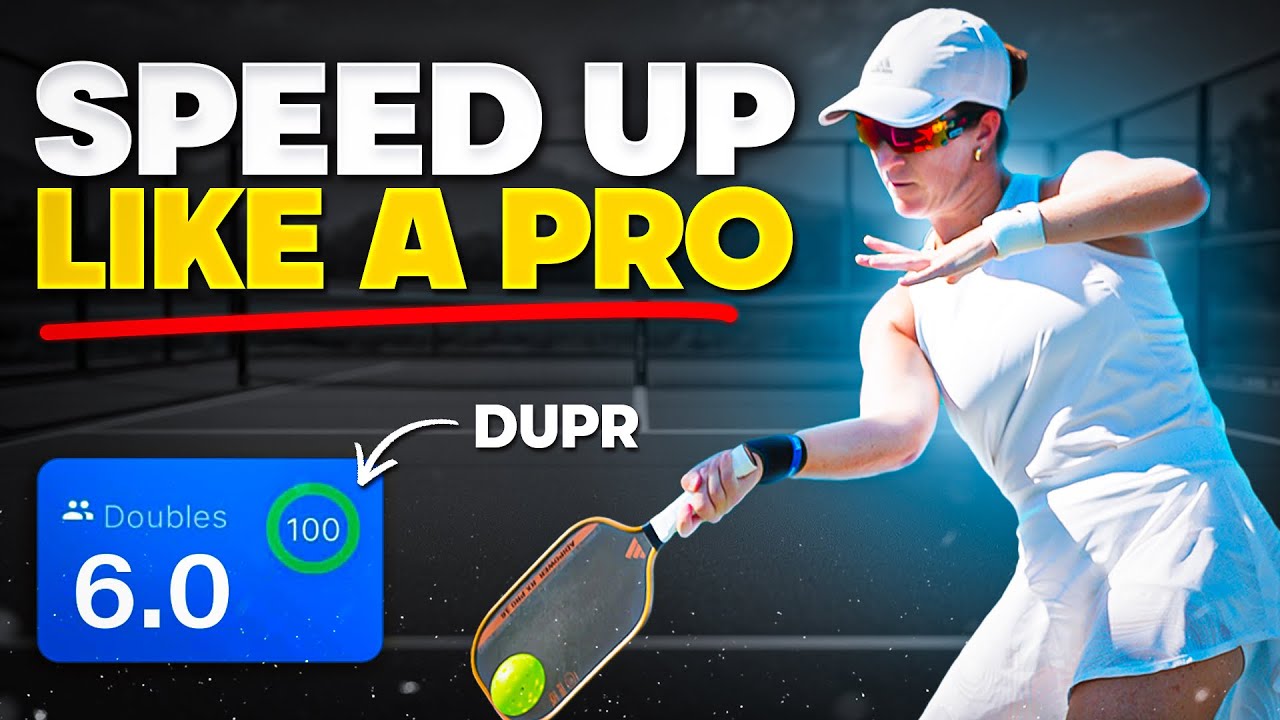


15 Quick Pickleball Tips to See Immediate Improvement: Expert Strategies for Every Skill Level
If you're looking to level up without completely overhauling your game, these tried-and-true pickleball tips are a solid starting point.
You know that feeling when you're stuck at the same skill level, hitting the same mistakes over and over? APP pro Tanner Tomassi might have exactly what you need to break through that plateau. In his latest YouTube video, Tanner distills years of trial and error into rapid-fire advice designed to help players at every level, whether you're a 3.0 grinding through rec play or a 4.5 looking to turn pro.
The Core Philosophy Behind Every Great Pickleball Tip: Small Changes, Big Results
What makes Tanner's approach refreshing is that he's not asking you to overhaul your entire game. Instead, he focuses on micro-adjustments that compound into noticeable improvements.
The overarching theme here is simple:
Positioning and paddle awareness matter more than raw power.
It's a philosophy that separates recreational players from advanced ones, and honestly, it's something most players overlook when they're obsessing over their serve speed or baseline drive technique.
Pickleball Tip 1: The See-Saw Effect and Your Ready Position
Let's start with something fundamental that most players get wrong. When your opponent is attacking a ball, Tanner explains that the higher their paddle is, the lower you should get.
This creates what he calls the "see-saw effect," and it's about making yourself a smaller target.
The mistake? Standing upright in the middle of the court and then scrambling to react when the ball comes at you.
Instead, you should already be low, anticipating the attack. If the ball is high, it's probably going out anyway. This single adjustment changes how you defend at the kitchen line.
2. Fast Hands Start Before the Hand Exchange
Fast hands at the kitchen line aren't about reflexes. They're about paddle prep. Tanner positions his paddle tip at an 11 o'clock angle, which naturally cheats toward the backhand. Why? Because roughly 90% of balls come to your backhand side when you're at the net.
A neutral or forehand-heavy paddle position only covers about 10% of the court effectively. It's a small tweak, but it's the difference between reacting and being ready. Building faster hands starts with this kind of intentional paddle preparation.
 The Dink Media Team
3. The Third Shot Drive Should Never Exceed 70% Power
When you're hitting a third shot drive from the baseline, Tanner recommends keeping it at 70% of your maximum power. The goal isn't to blast it past your opponent; it's to make the ball dip over the net, forcing them to volley up and giving you an easy next shot.
Full-speed drives often get put away because your opponent can volley down on them. A controlled, dipping drive shifts the advantage back to you.
Pickleball Tip 4: Serve and Recover: Position Matters More Than You Think
After you serve, position yourself behind the baseline. This might sound counterintuitive when you're eager to get to the net, but it allows you to hit your third shot drop with forward momentum.
The alternative? Getting caught off your back foot, which kills your ability to control the point. Understanding your place in the transition zone is what separates reactive players from proactive ones.
 The Dink Media Team
5. Handling Aggressive Dinks: Footwork and Bunting
When your opponent hits a sharp, aggressive dink at you, the solution involves footwork. Tanner uses an inside foot cross-step to set his paddle sideways and simply bunts the ball back to the center of the court. It's not flashy, but it's effective and keeps you in the point.
Heads up: hundreds of thousands of pickleballers read our free newsletter. Subscribe here for cutting edge strategy, insider news, pro analysis, the latest product innovations and more.
6. Keep Your Paddle in Your Peripheral Vision
This is almost zen-like in its simplicity. When you're hitting soft shots, your paddle should never leave your peripheral vision. This kitchen line technique is how you maintain control and avoid popups. Whether you're dinking or hitting a third shot drop, keeping the paddle in sight prevents those frustrating errors that cost you points.
 The Dink Media Team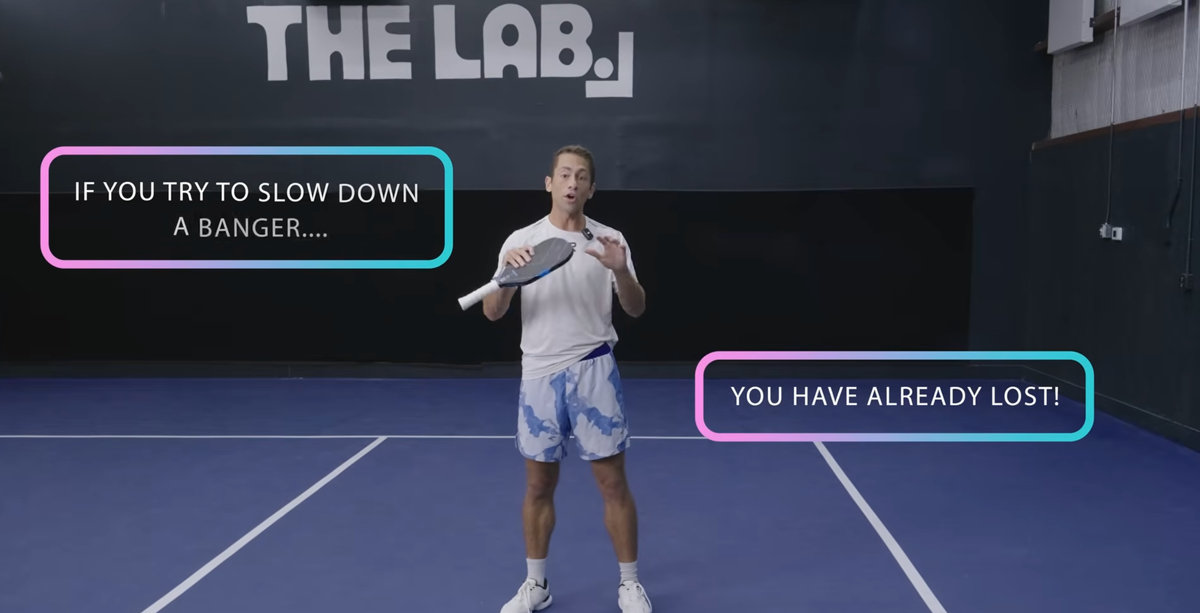
7. Attack Players Without a Two-Handed Backhand
If your opponent doesn't have a two-handed backhand, attack their backhand side. It's much harder to cover with one hand, and you'll create opportunities.
This is tactical pickleball strategy at its finest, and it's something you can identify early in a match.
8. Keep Opponents Back: No Free Rides to the Kitchen
If your opponents are back and you're at the kitchen line, keep them there. Don't hit drop shots that let them advance for free. Tanner's mantra:
"No drop shots. No free rides."
It's about maintaining your advantage once you've earned it.
9. Paddle Ready Position at the Kitchen: Belly Button Height
Your paddle ready position at the kitchen line should be at about belly button height. This kitchen line technique allows you to react to balls landing in the court without having to bring your paddle up for high balls (which are probably going out anyway). It's a positioning principle that saves energy and improves consistency.
10. The Rule for Speed-Ups Off the Bounce
Here's the critical rule: wherever the ball bounces on your side, get your lead leg directly behind that ball.
You can't reach for speed-ups; you have to be positioned. When your foot is behind the ball, you can get your paddle head down and manipulate it with spin. When you're stretched out, you have no control.
11. Get Set Before Your Opponent Makes Contact
After hitting your third shot drop and running to the kitchen line, you should be completely still and set before your opponent makes contact with the ball. This tiny pause gives you a massive advantage in reaction time. It's a minute change with huge results.
 The Dink Media Team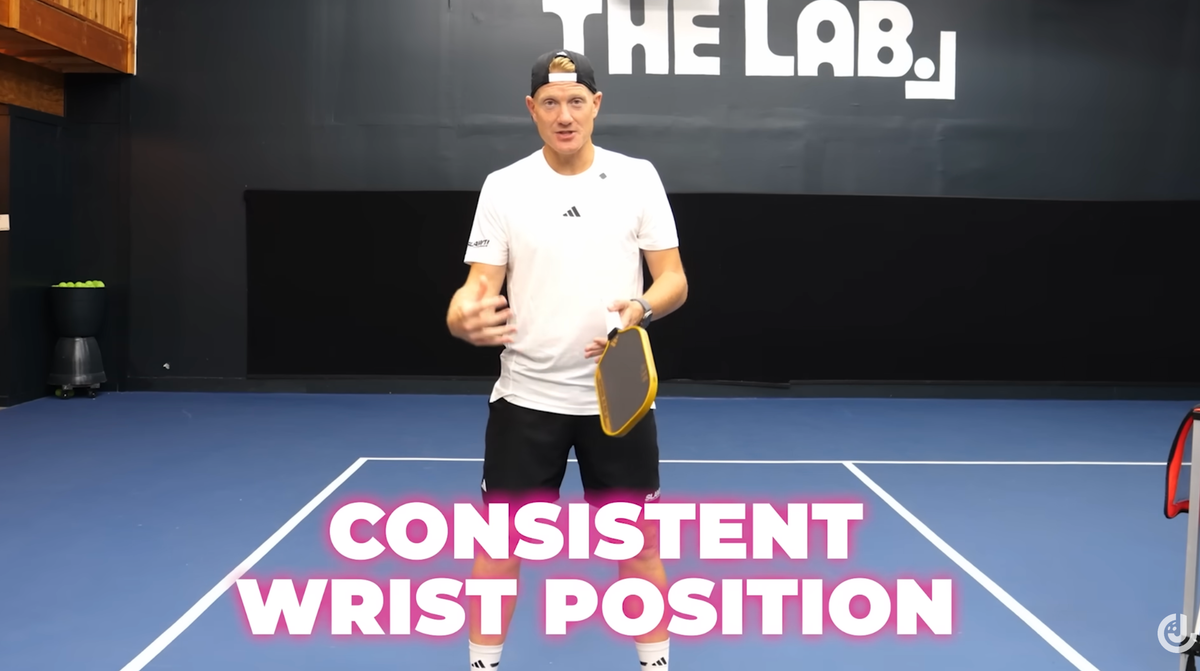
12. Push Your Resets, Don't Slice Them
When you're in the middle of the court hitting resets, push them instead of slicing. Slicing adds underspin, which can be inconsistent. Pushing gives you more control and consistency, especially when you're transitioning to the sport.
13. Lob Volley-Heavy Opponents
If your opponent consistently takes your dinks out of the air, that's your signal to lob. Their weight is already forward, so they can't recover quickly enough to get back and retrieve a lob. It's a simple read that creates an easy point.
14. Defending Overheads: Back Up and Get Low
When you pop the ball up, immediately take as much ground back as possible before your opponent makes contact. Right when they're about to hit, stop, get low, and prepare. This defensive positioning prevents the overhead from being a guaranteed winner.
 The Dink Media Team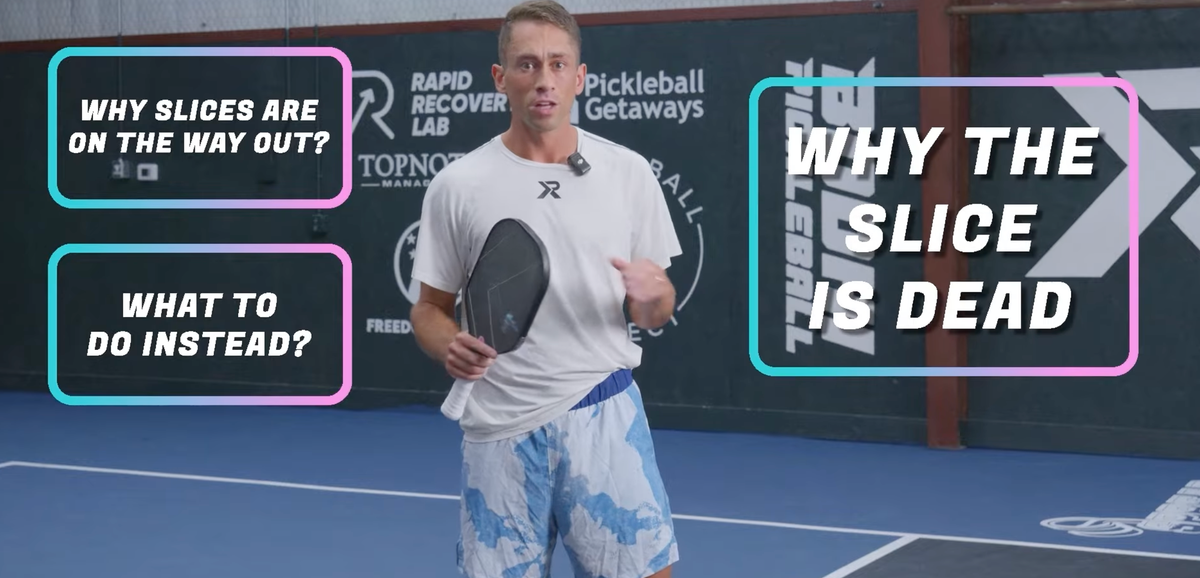
15. Paddle Tracking Prevents Getting Chicken-Winged
If you keep getting chicken-winged, your paddle tracking is off. Wherever the ball goes, your paddle tip should point directly at it. When your paddle is sideways and the opponent attacks, you get caught up. Proper tracking lets you react with no problem.
What Ties Every Great Pickleball Tip Together: It's About Awareness, Not Athleticism
What ties all 15 of these pickleball tips together is a focus on court awareness and positioning over raw athleticism or flashy technique. Tanner's message is clear: you don't need to be the fastest or strongest player to improve. You need to be smarter about where you stand, how you prepare, and how you read your opponent.
If you're looking to level up without completely overhauling your game, these 15 pickleball tips are a solid starting point. They're the kind of adjustments that don't require hours at the court; they just require awareness, smart pickleball strategy, and intentional practice.
Want even more quick wins? Check out 5 simple tweaks that instantly improve your game – these take 5 minutes each to implement.
Frequently Asked Questions
What is the most important pickleball tip for beginners?
The most impactful pickleball tip for beginners is mastering your ready position. Getting low and staying prepared before the ball is struck gives you more reaction time and makes you a harder target to attack at the kitchen line.
How can I develop faster hands at the kitchen line?
Faster hands begin with paddle preparation, not natural reflexes. Position your paddle at an 11 o'clock angle before the exchange so it naturally favors your backhand side, where the vast majority of attacks will come during open play.
Why should I limit my third shot drive to 70% power?
A third shot drive hit at full power is easier for your opponent to put away with a downward volley. Keeping your drive at 70% creates a dipping ball that forces your opponent to hit upward, shifting the advantage back to you and giving you time to advance to the kitchen line.
What is the best kitchen line technique for avoiding pop-ups?
The best kitchen line technique is keeping your paddle in your peripheral vision at all times during soft shots. When your paddle drifts out of sight, you lose contact control and the ball rises. Consistent paddle visibility leads to cleaner, lower contact and fewer unforced errors.
How do I improve my pickleball strategy when opponents keep lobbing me?
When an opponent is consistently taking the ball out of the air, respond by lobbing over them. Their forward weight makes retreating quickly very difficult, turning an aggressive habit into a scoring opportunity for you. Varying your pickleball strategy like this forces adjustments and creates more open-court situations throughout the match.
Love Pickleball? Join 100k+ readers for free weekly tips, news & gear deals.
Subscribe to The DinkGet 15% off pickleball gear at Midwest Racquet Sports