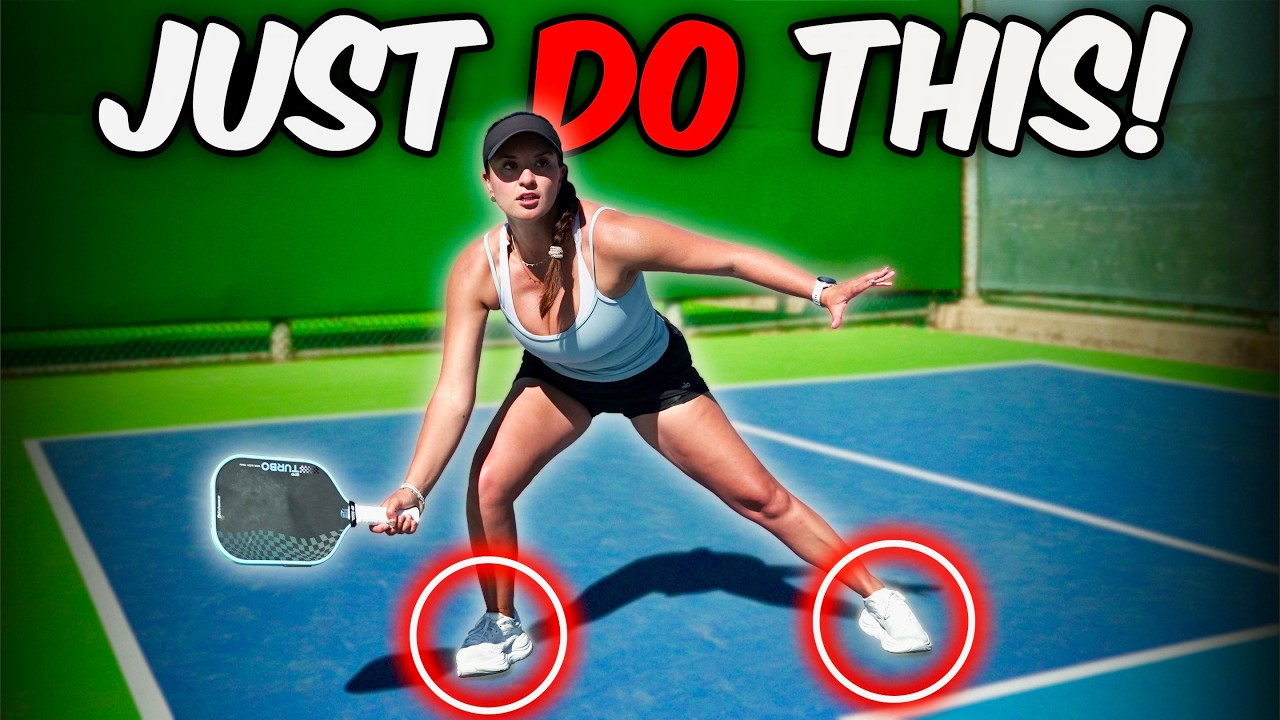


When you can switch between different types of drops, you keep your opponent off balance and force them to stay honest at the net. Advantage: you.
Most pickleball players know the one-third shot drop. The really good ones? They've got three in their back pocket, and they know exactly when to deploy each one.
That's the game-changer Cam Luhring breaks down in his latest video, showing you how to master the slice drop, the drip, and the topspin drop so you can keep your opponents guessing and your game sharp.
Love pickleball? Then you'll love our free newsletter. We send the latest news, tips, and highlights for free each week.
Why One Third Shot Drop Isn't Enough
If you're hitting the same third shot drop every time, your opponents are going to figure you out fast. They'll start creeping in, reading your motion, and suddenly that soft drop shot becomes a put-away opportunity of your nightmares.
The solution isn't to hit harder. It's to hit smarter by mixing up your options. When you can switch between different types of drops, you keep your opponent off balance and force them to stay honest at the net.
 The Dink Media Team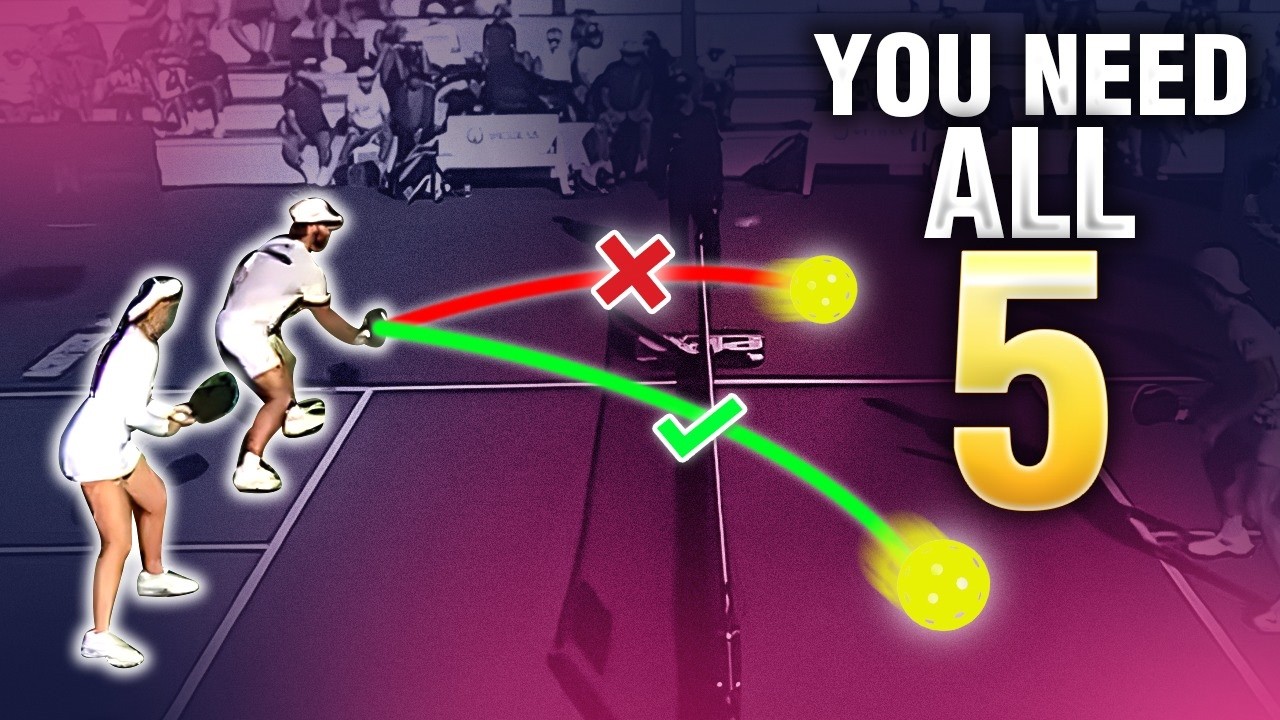
1. The Slice Drop: Your Foundation
The slice drop, also called the push drop, is the easiest to learn and the most forgiving. This is your bread and butter, the shot you fall back on when you're out of position, or the ball comes in low.
The key is keeping your wrist locked and pushing through the ball with your arm, making contact on the bottom half. Your paddle face should be slightly closed and pointed almost directly at the net cord.
If the ball's popping up too much, your paddle face is too open.
 The Dink Media Team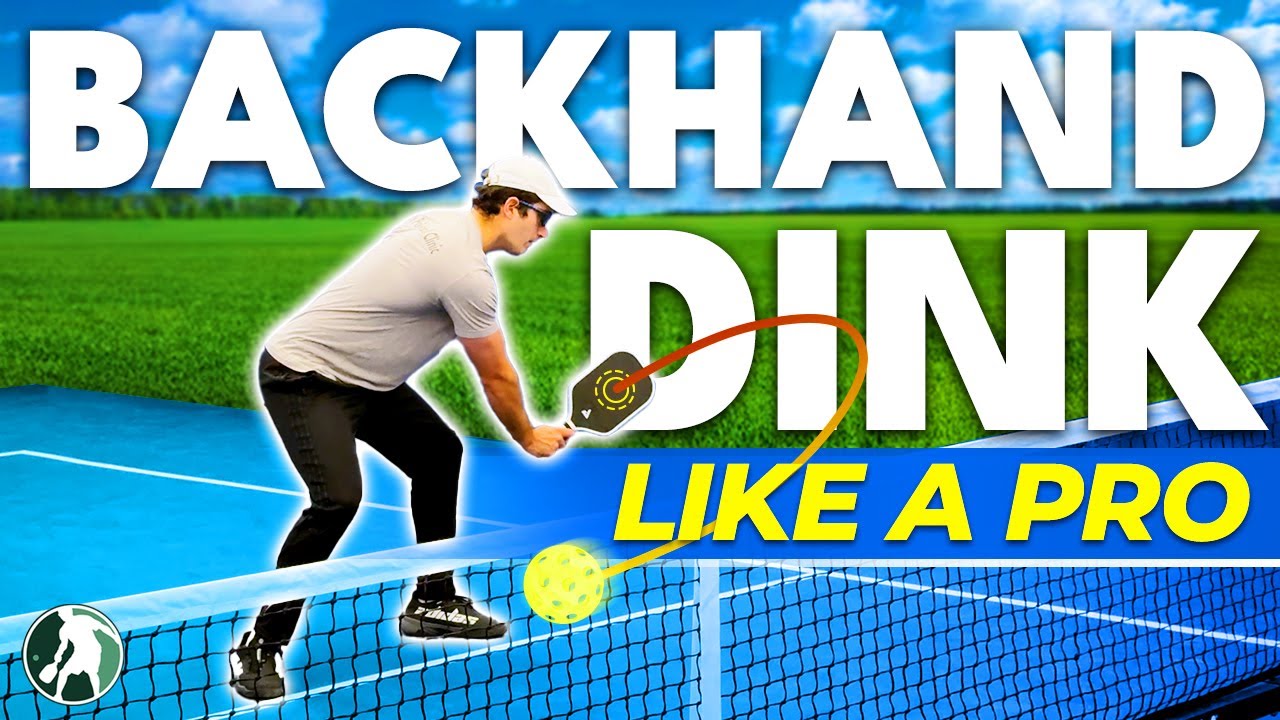
The Slinky Third Shot Drop Drill
Luhring uses the "slinky drill" to build third shot drop consistency:
- You and a partner start at the kitchen line
- Every time you get a bounce in the kitchen, you take a step back
- Keep going until you reach the baseline, then work your way forward again
- If you mess up in the transition zone, you stay put and start over from that spot
The beauty of this drill is that it forces you to dial in your touch across the entire court, not just from one distance. And here's the thing: even pros at the 4.0 and 5.0 levels use the push drop regularly, especially when they're scrambling or the ball's sitting low.
2. The Drip: Your Intermediate Option
Once you've got the slice drop-down, it's time to add some spin. The drip is a hybrid shot that sits between a drop and a drive, and it's perfect for catching opponents off guard.
For the drip, you're brushing up and over the ball like you would on a topspin dink, but with a bit more intention. Bring your paddle back only to about your hip, then gently brush from six o'clock to twelve o'clock on the ball. Keep your wrist locked and let your arm do the work, not your wrist.
The drill here is straightforward: go for 10 forehands and 10 backhands with your partner stationed two steps behind the kitchen line. Your goal is to land every ball at their feet. This teaches you control and rhythm, and it builds the muscle memory you need to hit the drip under pressure.
 The Dink Media Team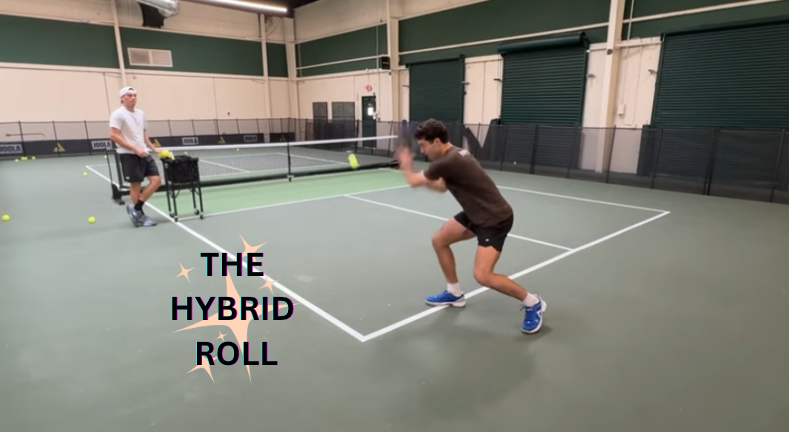
3. The Topspin Third Shot Drop: Your Advanced Weapon
The topspin third shot drop is the modern, high-percentage option that clears the net safely and dips into the kitchen. It's the shot you see the pros hitting, and it's worth the practice time to master.
Start by getting comfortable with the motion.
- Have your partner at the kitchen line and work crosscourt
- Set a goal, like 15 consecutive drops, and focus on making contact below the net
- If your partner's paddle face drops below the net, count it. If it stays above, no good
One critical detail: wait for the ball to get as close to your paddle as possible before you start your swing. This sounds simple, but it's the difference between a consistent third shot drop and one that's all over the place.
The closer the ball is to your paddle when you make contact, the more control you have.
Building Your Topspin Third Shot Drop
Once you've built consistency, turn it into a live ball drill. You need two successful drops before the point goes live, which forces you to stay focused and execute under realistic conditions.
The Difference Between the Drip and the Topspin Drop
Here's where it gets interesting: the drip and the topspin third shot drop look similar, but they're not the same shot. The difference is in the finish.
- With a pure topspin drop, your paddle stays on the same side of your body. You're brushing up and over, not driving through.
- With a drip, you're going through the ball a bit more, which gives you extra power and makes it more of a hybrid drop shot.
Knowing when to use each one is what separates good players from great ones. Use the drip when you want a little extra pace or when you're looking to catch someone off guard. Use the topspin drop when you need consistency and control.
 The Dink Media Team
Putting It All Together: Mastering Your Third Shot Drop
The real magic happens when you can switch between all three drop shots seamlessly. Your opponent won't know if you're going to push it soft, brush it with spin, or drive it through. That uncertainty is your advantage.
Start with the slice drop until it's automatic. Then layer in the drip. Finally, add the third shot drop with topspin.
Practice each one with the drills Luhring outlines, and you'll develop the touch and confidence to use them in matches. The third shot drop is one of the most important shots in pickleball. Master these three versions, and you'll transform your game.
Heads up: hundreds of thousands of pickleballers read our free newsletter. Subscribe here for cutting-edge strategy, insider news, pro analysis, the latest product innovations, and more.
Frequently Asked Questions
What is a third shot drop in pickleball?
The third shot drop is a soft, arcing shot hit by the serving team from near the baseline, after the return of serve lands. Its purpose is to land in the opponent's non-volley zone, forcing an upward contact and giving your team time to move toward the kitchen line.
Why do I keep missing my third shot drop?
Most third-shot drop errors come from an open paddle face or too much wrist movement at contact. Keep your wrist locked, strike the bottom half of the ball, and let your arm drive the motion for a consistently cleaner result.
What is the difference between the drip and the topspin drop?
The drip is a hybrid shot hit with more forward drive and added pace, sitting between a drop and a full drive. The topspin drop is a purer soft shot where you brush upward over the ball and keep the paddle on the same side of your body through the finish.
Should beginners work on the third shot drop?
Yes, but starting with the slice drop, also called the push drop, is the recommended path for newer players. It is the most forgiving variation and builds the fundamental touch needed before advancing to the drip or the topspin drop.
How do I build match-ready consistency with my third shot drop?
The slinky drill and the two-drop live ball rule are both highly effective tools for developing third shot drop consistency under real game pressure. Practice them regularly, and the touch you build in drills will carry directly into your matches.third-shot
Love Pickleball? Join 100k+ readers for free weekly tips, news & gear deals.
Subscribe to The DinkGet 15% off pickleball gear at Midwest Racquet Sports