

John Cincola's framework offers a clear path forward. Start with understanding the why, layer in better positioning, and keep your mechanics simple.
If you're new to pickleball and feeling a bit overwhelmed by all the conflicting advice out there, you're not alone. Between YouTube videos, Instagram posts, Facebook groups, and that one guy at your local court who swears he knows everything, it's tough to figure out which pickleball fundamentals actually matter.
Pro and content creator John Cincola recently broke down the three most important fundamentals that beginners should focus on to improve faster than anything else. His approach to pickleball fundamentals cuts through the noise.
Love pickleball? Then you'll love our free newsletter. We send the latest news, tips, and highlights for free each week.
1. Understand the Why Behind Your Pickleball Fundamentals
Most beginners focus on the how without ever understanding the why. Cincola starts with this foundational concept because it changes everything about how you approach the game.
The Difference Between Attackable and Unattackable Balls
The key pickleball fundamental is understanding the difference between attackable and unattackable balls. Think of the net strap height as your dividing line. When your opponent makes contact with the ball below that line, it's unattackable. Above it? That's attackable.
Why does this matter? Because physics.
When you're hitting from above net height, you can hit down on the ball, which means more power, more control, and better angles to your opponent's feet. When you're hitting from below, you have to hit up, which limits your force and increases the risk of popping it up or sending it out.
Why the Soft Game Matters in Beginner Pickleball
This is why the soft game is one of the core pickleball fundamentals every new player needs to understand. If you hit softer and land the ball in the kitchen, you force your opponents to make contact below net height repeatedly. That means they're stuck hitting up, which means they're probably hitting it soft back.
It becomes a game of patience and placement rather than power. But if you hit too hard? The ball stays on its plane longer, doesn't dip as much, and suddenly your opponent has a higher ball to attack.
You've basically handed them the advantage.
Cincola's black-and-white rule is simple: unattackable ball equals soft shot into the kitchen. Attackable ball equals hard shot down into the court. Master this concept, and you've got the foundation for everything else.
2. Position Yourself Before You React
One of the most common mistakes Cincola sees at the beginner and novice levels is what he calls the "watch and react" trap.
You hit a shot, then you stand there watching your opponent. They hit it back, and only then do you move. Rinse and repeat. The problem? You're wasting valuable time.
How Pickleball Fundamentals and Court Positioning Connect
While your ball is traveling toward your opponent, that's your window to improve your better position on the court. Most of the time in pickleball, better position means moving forward.
The return of serve is the perfect example. After you hit your return, you should be sprinting toward the kitchen line while your ball is in the air. By the time your opponent hits their shot, you're already up at the net where you have a massive advantage, especially if they're still back.
This pickleball fundamental of positioning builds directly on that first tip about attackable and unattackable balls. If you hit an unattackable shot, move forward and try to get closer to the net. If you hit an attackable shot, meaning you popped it up, hold your position or even back up a bit.
The rhythm becomes: soft shot forward, hard shot hold or retreat. It's a simple framework that transforms how you move around the court.
Getting yourself to a better position on the court might be the single biggest adjustment a beginner can make, and it costs nothing except a little hustle.
The beauty of this approach is that it doesn't require perfect pickleball technique or years of practice. It just requires awareness and effort.
 The Dink Media Team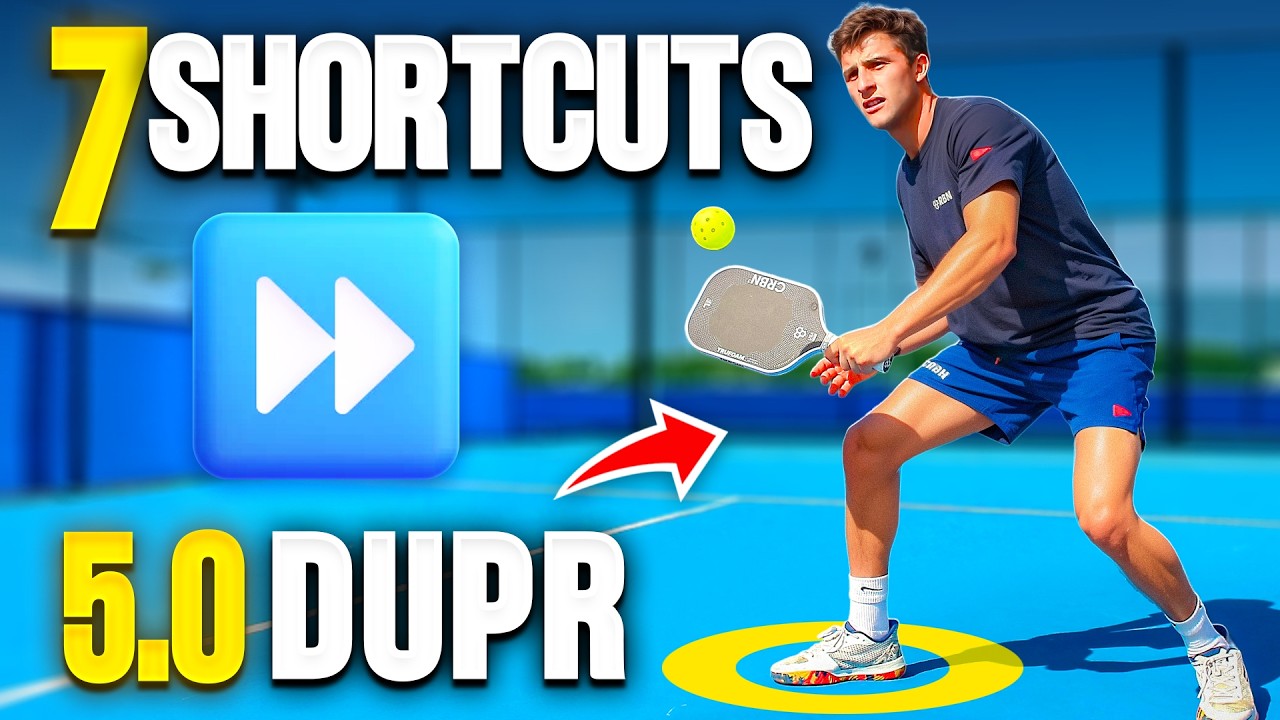
3. Keep Everything in Front of You
Paddle control is perhaps the most underrated of the three pickleball fundamentals Cincola teaches. The biggest mistake Cincola sees across all skill levels is taking the paddle too far back. When your paddle goes behind your body, you lose control, timing becomes inconsistent, and you're basically playing a harder version of the game than necessary.
The Essential Pickleball Fundamental: The V Technique
The solution? Keep everything in front of your body. Cincola offers two practical ways to think about this.
First, imagine your arms making a 90-degree angle, like half a square. He calls this "the V." Your goal is to play everything inside that V. Keep the ball in the V, keep the paddle in the V, keep your shots in the V. Everything stays more or less in front of your chest.
The Color Checkpoint Method
The second method is even simpler: look at your paddle and note its color. When you're in your ready position, you should be able to see that color in your peripheral vision.
As you start to take the paddle back, keep watching for that color. The moment it disappears from your peripheral vision, you've gone too far back. If you can still see it, you're keeping it in that V.
This isn't about being perfect. It's about having a simple checkpoint you can use during matches.
 The Dink Media Team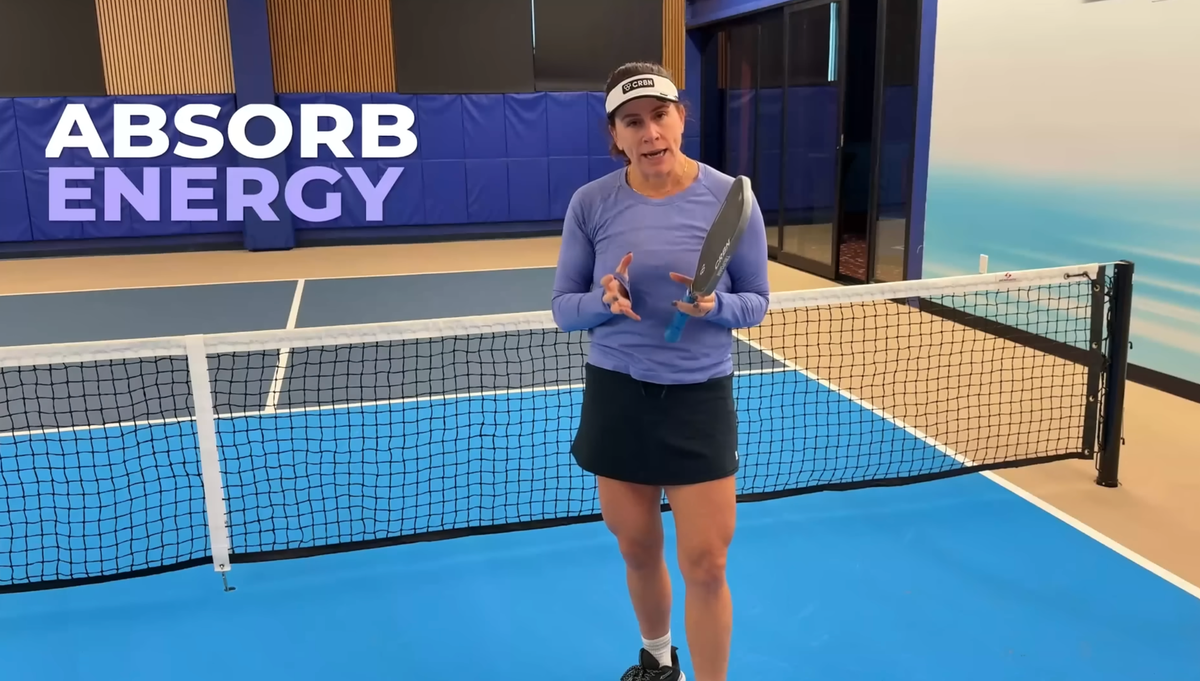
Pickleball Fundamentals: The Bigger Picture
What makes Cincola's approach so effective is that these three pickleball fundamentals build on each other. Understanding shot selection (tip one) informs your positioning decisions (tip two), which then makes your pickleball technique more consistent (tip three). They're not three separate things to memorize; they're three layers of the same foundational pickleball technique.
The video also includes a helpful summary screenshot at the end that you can take with you to the court, which is a nice touch for actually implementing this stuff rather than just watching and forgetting. These pickleball basics are deceptively simple, but they're endlessly powerful when applied consistently.
Frequently Asked Questions
What Are the Most Important Pickleball Fundamentals for Beginners?
The three core pickleball fundamentals beginners should master are shot selection, court positioning, and paddle control. As outlined by pro John Cincola, focusing on these three areas will improve your game faster than any other approach. This is also why pickleball has become one of the fastest-growing sports in America, with new players of all backgrounds finding the game accessible from day one.
What Is the Difference Between an Attackable and an Unattackable Ball?
An unattackable ball is one where your opponent must make contact below the net strap height, forcing them to hit upward with limited power. An attackable ball sits above net height, giving your opponent the angle and leverage to hit downward into your feet.
Why Is the Soft Game One of the Key Pickleball Fundamentals?
The soft game forces your opponents to make contact with the ball below net height, which limits their ability to attack. When you keep the ball in the kitchen with soft, controlled pickleball basics, you create a patient rally instead of giving them easy high balls to swing at.
How Should I Position Myself After Hitting a Shot?
After hitting an unattackable shot, move forward toward the kitchen line to gain a positional advantage. If you hit an attackable shot and popped the ball up, hold your position or back up slightly to protect against a hard response.
What Does It Mean to "Keep Everything in the V" in Pickleball?
"The V" refers to the 90-degree angle your arms create in front of your chest during your ready position. Keeping your paddle, your arms, and the ball within that V improves your timing, gives you more control, and eliminates the costly errors that come from taking the paddle too far behind your body. This is one of the most practical pickleball basics any new player can apply immediately.

Love Pickleball? Join 100k+ readers for free weekly tips, news & gear deals.
Subscribe to The DinkGet 15% off pickleball gear at Midwest Racquet Sports