


Pickleball doesn't just grow because of new courts or viral highlights. It grows because someone took the time to teach the game the right way.
As more players look to turn their on-court knowledge into coaching opportunities, one question keeps coming up: How do you actually become a pickleball instructor, and what separates a good coach from a great one?
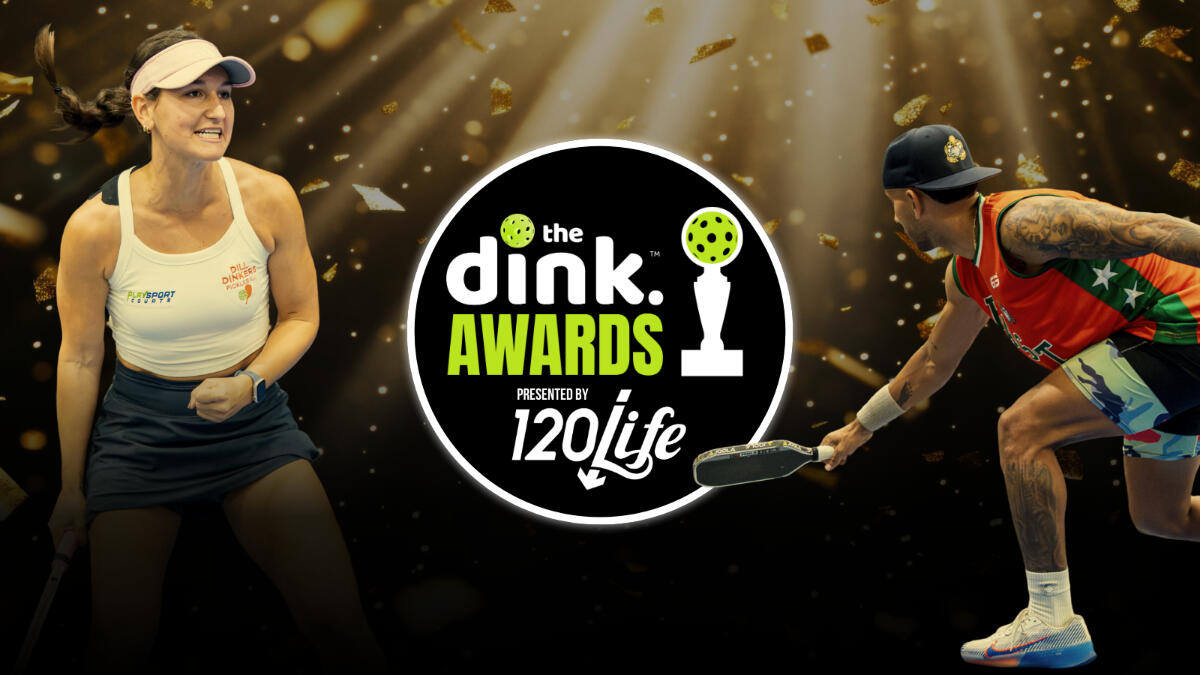
That's exactly why Professional Pickleball Registry (PPR) is sponsoring the Best Pickleball Instructor category at the Dink Awards this year. Their mission — educating, supporting, and elevating coaches — aligns directly with what this award is meant to celebrate. 120/Life Dink Awards 2025 — Pickleball's Official Fan's Choice Awards
What Does It Mean to Become a Pickleball Instructor?
At the surface level, teaching pickleball might look simple. You know the rules. You can demonstrate the shots. You can run drills.
But great coaching goes far beyond feeding balls and calling scores.
Becoming a pickleball instructor means understanding how players learn, how to structure lessons, how to progress skills properly, and how to tailor instruction to the individual standing across the net from you. It's about the in-between moments: communication, feedback, pacing, and confidence-building.
That's where certification comes in.
Love pickleball? Then you'll love our email newsletter. We send the latest news, tips, and highlights for free each week.
Why Pickleball Instructor Certification Matters
PPR is the largest pickleball coach education and certification organization in the world.
Certification doesn't just add letters after your name — it provides a framework for becoming a better coach. Instructors who go through PPR's Level 1 certification often walk away with a broader understanding of coaching as a craft, not just a collection of drills. According to CBS Sports, pickleball has been the fastest-growing sport in America for three consecutive years — and the demand for qualified instruction is growing right along with it.
"Our member resources and continued education are important for consistent growth of coaches," says PPR Vice President Sarah Ansboury.
"We offer more levels and variety of certifications than anyone out there."
Many coaches say the same thing after completing their first certification:
"I finally understand why lesson structure matters and how much the student should drive the process."
Certification also enables instructors to obtain liability insurance, which is essential for anyone teaching regularly, whether at a club, a park, or in private sessions.
 Alex E. Weaver
Built Around Coaches
PPR's standards are built on over 50 years of experience across racquet sports, with education models that continuously evolve to stay current with how pickleball is actually being played and taught today.
A few key things that make PPR different:
- More certification levels and pathways than any other organization
- Ongoing education, not just a one-and-done course
- A robust learning management system with videos, webinars, and courses
- A for-profit structure that allows PPR to remain independent—not tied to paddle companies or outside commercial interests
Everything PPR does funnels back into coach education and the growth of the sport itself.
Amazon Pickleball Paddle Sales Up 55% in 2025, Surge to $44 Million
Supporting Coaches Beyond the Court
Becoming a certified instructor isn't just about what happens during a lesson. PPR backs its members with real-world benefits designed to help coaches succeed long-term.
That includes partnerships and discounts with organizations like DUPR, coaching tools, training aids, baskets, balls, paddles, and other essentials instructors rely on daily. The sport's rapid growth — with the pickleball market expected to hit $4 billion by 2033 — means the window to build a coaching career has never been wider.
PPR members also gain access to continued education, industry connections, and even travel opportunities through fitness and resort partnerships — benefits that recognize coaching as both a profession and a lifestyle.
Why PPR Is Sponsoring Best Pickleball Instructor
The Dink Awards reach a different audience than traditional racquet-sport circles, and that's intentional.
PPR sees a growing wave of younger players who want to coach, but don't yet understand why certification matters or how to evaluate the quality of instruction available today. Social media often highlights a handful of familiar faces, but the reality is far richer.
There are exceptional instructors everywhere — teaching daily at clubs, parks, and community facilities — quietly making players better and growing the game in meaningful ways. As Sports Illustrated has noted, the sport's community-driven culture is a big part of what sets it apart from other racquet sports.
By sponsoring Best Pickleball Instructor at the Dink Awards, PPR wants to shine a light on those coaches and help players understand that finding the right instructor can completely change their experience with the sport.
Not every player has had a great coaching experience. That doesn't mean great coaches aren't out there — it means the right match hasn't happened yet. If you're looking to level up your own game first, brushing up on 5 shots that are hurting your pickleball game is a solid place to start.
Who’s the best pickleball instructor?
— The Dink Pickleball (@Pickleball) January 15, 2026
We are excited @pprpickleball is sponsoring the Best Instructor Category for the 120/Life Dink Awards.
They are the No. 1 registry for pickleball coaches, so you know you can trust them.
Vote now ➡️ https://t.co/6RrKSyG028 pic.twitter.com/WtagC8Hbrt
Growing the Game Starts With Coaches
At its core, PPR's mission is simple: support coaches, educate instructors, and grow pickleball the right way.
For some, that path starts with certification. For others, it leads to roles as ambassadors, league coordinators, raters, or community leaders. Every pathway matters — and every great instructor plays a role in shaping the sport's future. Whether you're a player trying to improve your pickleball footwork or a coach building a curriculum around fundamentals, the foundation matters.
"There are so many great coaches out there that care and will make a difference," says Ansboury. "It's just a matter of finding a coach that fits your needs."
That's why backing the Best Pickleball Instructor category isn't just a sponsorship. It's a statement.
Because the people who teach the game deserve recognition — and the next generation of coaches deserves a clear path forward. And if you're ready to vote now for the 120/Life Dink Awards, make sure the coaches making a difference in your community get the recognition they've earned.
Frequently Asked Questions
What do I need to become a certified pickleball instructor?
To become a certified pickleball instructor, you'll need to complete a formal certification program through an organization like PPR (Professional Pickleball Registry). The process typically involves coursework covering teaching methodology, lesson structure, player development, and sport-specific skills. PPR offers multiple certification levels, so even brand-new coaches can find an appropriate starting point. Once certified, you'll also have access to continued education and tools that help you grow as a coach over time.
How long does it take to get a pickleball instructor certification?
The timeline depends on the level of certification and the organization you choose. PPR's entry-level certification can often be completed in a weekend through an in-person workshop, though the learning management system allows for pre-course preparation at your own pace. Higher-level certifications require more experience, hours logged on court, and additional coursework. Most coaches describe the process as intensive but worthwhile — especially for the framework it provides around how to teach, not just what to teach.
Do I need to be a high-level player to become a pickleball instructor?
You don't need to be a professional or even a tournament-level player to become a pickleball instructor. What matters most is your ability to communicate clearly, structure a lesson effectively, and meet students where they are. PPR's certification program is built on coaching principles that translate across skill levels, meaning a 3.5 player with strong teaching instincts can be a far more effective coach than a 5.0 who can't break down a concept for a beginner.
Why does pickleball instructor certification matter if I'm already teaching?
Even experienced coaches benefit from formal certification because it provides a consistent, proven framework for instruction. Many self-taught coaches have gaps in areas like player progression, feedback delivery, and lesson design — things that certification programs address directly. Certification also allows you to obtain liability insurance, which is essential if you're teaching at clubs, parks, or community centers. And increasingly, facilities are requiring certified coaches before bringing someone on staff.
How do I find a great pickleball instructor near me?
Start by looking for coaches who hold a recognized certification, such as a PPR credential. Certified instructors have demonstrated a baseline level of teaching competency and commitment to ongoing education. Beyond credentials, the best fit often comes down to personality, teaching style, and whether a coach can adapt to your individual needs and goals. As PPR Vice President Sarah Ansboury puts it: "It's just a matter of finding a coach that fits your needs."
Love Pickleball? Join 100k+ readers for free weekly tips, news & gear deals.
Subscribe to The DinkGet 15% off pickleball gear at Midwest Racquet Sports


