
Pick one this week, work on it during your rec games, and let it become automatic. Rome wasn't built in a day, and neither is a 5.0 game.
Coach Jess from Athena Pickleball has a theory about why you keep losing pickleball games, and it's not because you need a better paddle or more court time.
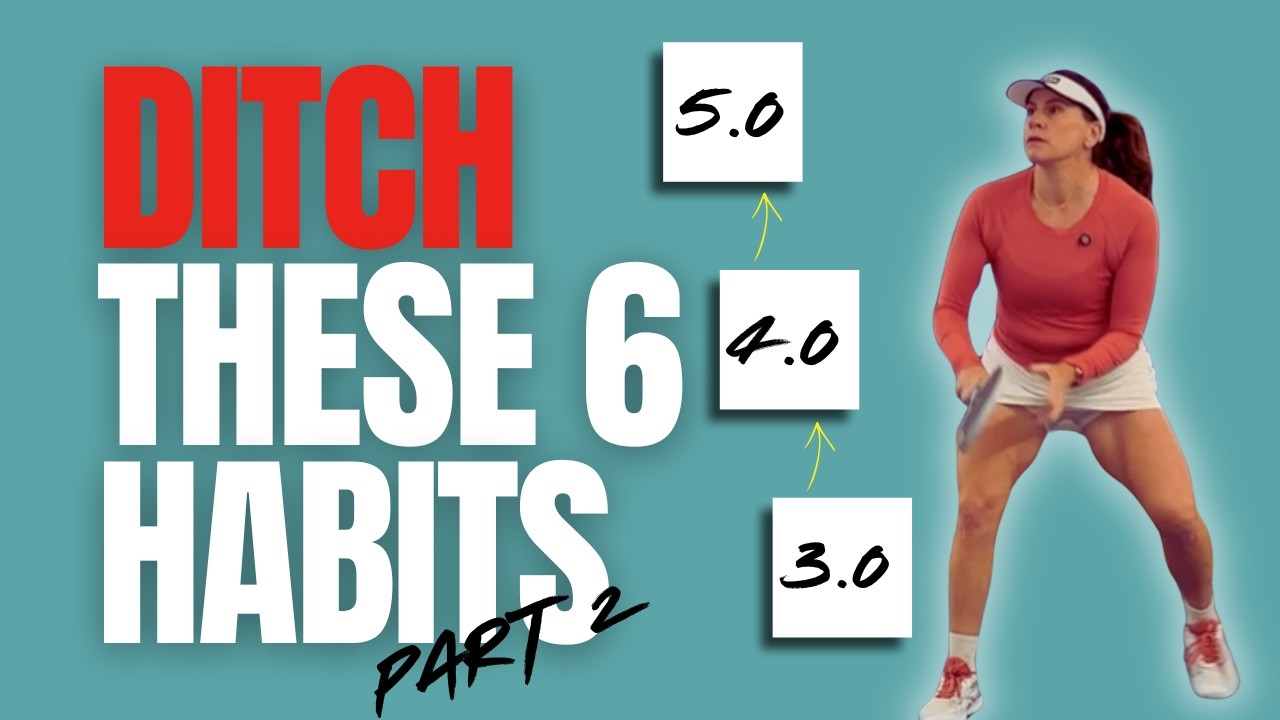
In her latest video, she breaks down six stubborn habits that intermediate and advanced players (3.0–4.0+) fall into without realizing it. These aren't flashy mistakes; they're the quiet, everyday decisions that become pickleball habits costing you points in ways you might not even notice.
Love pickleball? Then you'll love our free newsletter. We send the latest news, tips, and highlights for free each week.
1. Serve and Stay (But Not Too Early)
You've heard it a thousand times: serve and stay, return and run. But here's the catch. Many players creep forward before the return even comes back to their side of the court.
The problem? If your opponent hits a deep return, you're suddenly scrambling backward and short-hopping the ball just to make sure it bounces. That's not the position you want to be in.
The Fix for This Pickleball Habit
The fix is simple but requires patience.
Hit your serve, then hold your ground until you see where the return is going.
- If it's heading to your partner, great. Creep in and look for a poach opportunity.
- If it's coming at you, you're already in a solid spot to step into your third shot.
This small adjustment removes the panic and puts you in control.
2. Stop Attacking Crosscourt: A Pickleball Habit That Hurts Your Team
This one comes down to geometry. When you attack crosscourt, the opponent diagonal from you has the most time to react, and your partner (who doesn't know the attack is coming) has the least time. That's a recipe for your partner getting put away.
Instead, think about attacking straight ahead, especially toward their right hip or shoulder. This does two things: it gives you a ball coming back at you that you can counter and finish, and it keeps your partner out of harm's way.
Yes, the middle sometimes looks open, but the court is small enough that a hard crosscourt shot often just flies out anyway.
 The Dink Media Team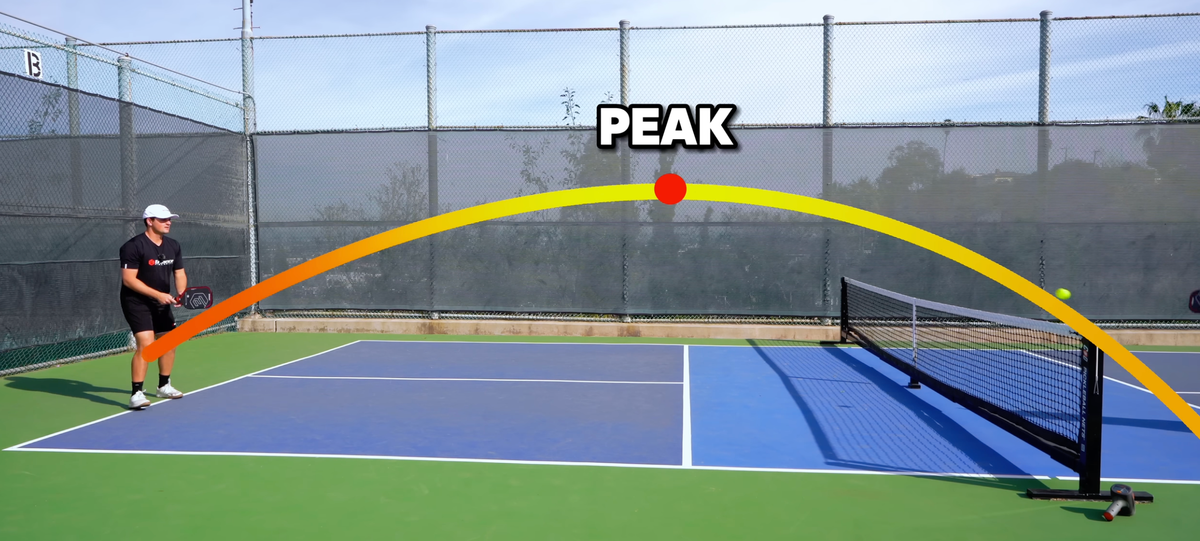
3. Expect the Ball to Come Back
At lower levels, you speed up a ball and it doesn't come back.
As you improve, one ball comes back. Then two or three.
The mental shift here is crucial: stop thinking you're hitting winners.
In pickleball, there aren't many clean putaways. After you speed something up, your paddle should stay up and ready for the next shot. Stay on your toes, keep your swings short and compact, and assume your opponent is going to find a way to keep the ball in play.
Heads up: hundreds of thousands of pickleballers read our free newsletter. Subscribe here for cutting-edge strategy, insider news, pro analysis, the latest product innovations and more.
Breaking the Mental Pickleball Habit of Expecting Winners
This is one of the most persistent intermediate pickleball mistakes at the 3.5 level. The assumption that one hard shot ends the rally is exactly what keeps players from reaching their potential. Staying mentally ready after each speed-up is one of the most underrated adjustments you can make.
4. Hold Your Ground at the Kitchen Line
When a drive comes at you with pace, your instinct might be to back up. Don't. Backpedaling opens your paddle face and creates a pop-up that your opponent will happily put away.
Instead, stay strong in your stance, keep your weight on the balls of your feet, and think about punching the ball back with your arm and shoulder.
Meet the ball in front of your body, about 8–12 inches outside your hip, and stick the landing. It's a fearless mentality that takes practice, but it transforms how you handle pace at the kitchen line.
5. Tame the Happy Feet
Some players move too much during dinking. They step in and out constantly, twist themselves up, and suddenly they're out of position when a speed-up comes. The solution is efficiency: one step in any direction.
If the ball is short, step in. If it's deep, take a drop step back. Stay parallel to the net, keep your chest facing the court, and avoid unnecessary footwork.
When you do need to move laterally, use a quick double shuffle or take the ball out of the air with a volley. Less movement means you're ready for whatever comes next.
 The Dink Media Team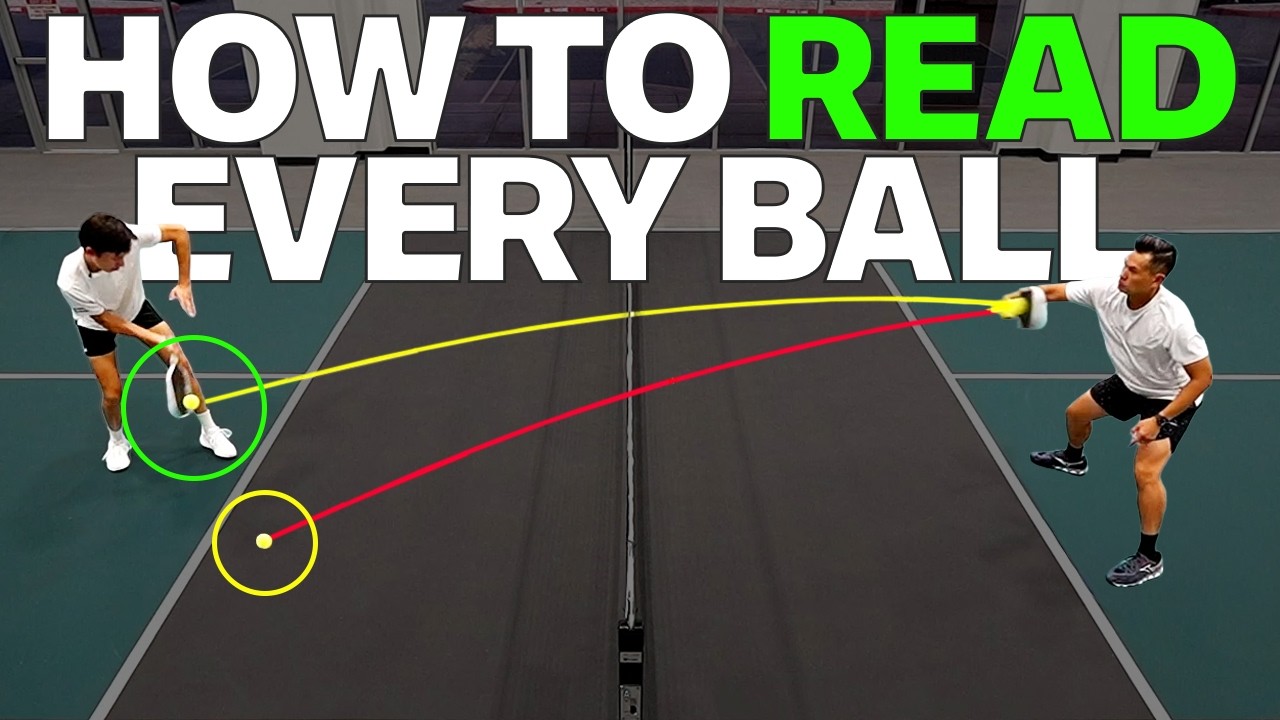
6. Hit Forward, Not Down: A Costly Pickleball Habit
That juicy, high ball looks like a winner. You swing hard, pull your paddle up, and watch it sail into the tape. The culprit? You're thinking about hitting down instead of hitting forward.
When your paddle face points to the sky and your elbow drifts behind your body, the only hinge you have left is your wrist, and that's a losing proposition.
 The Dink Media Team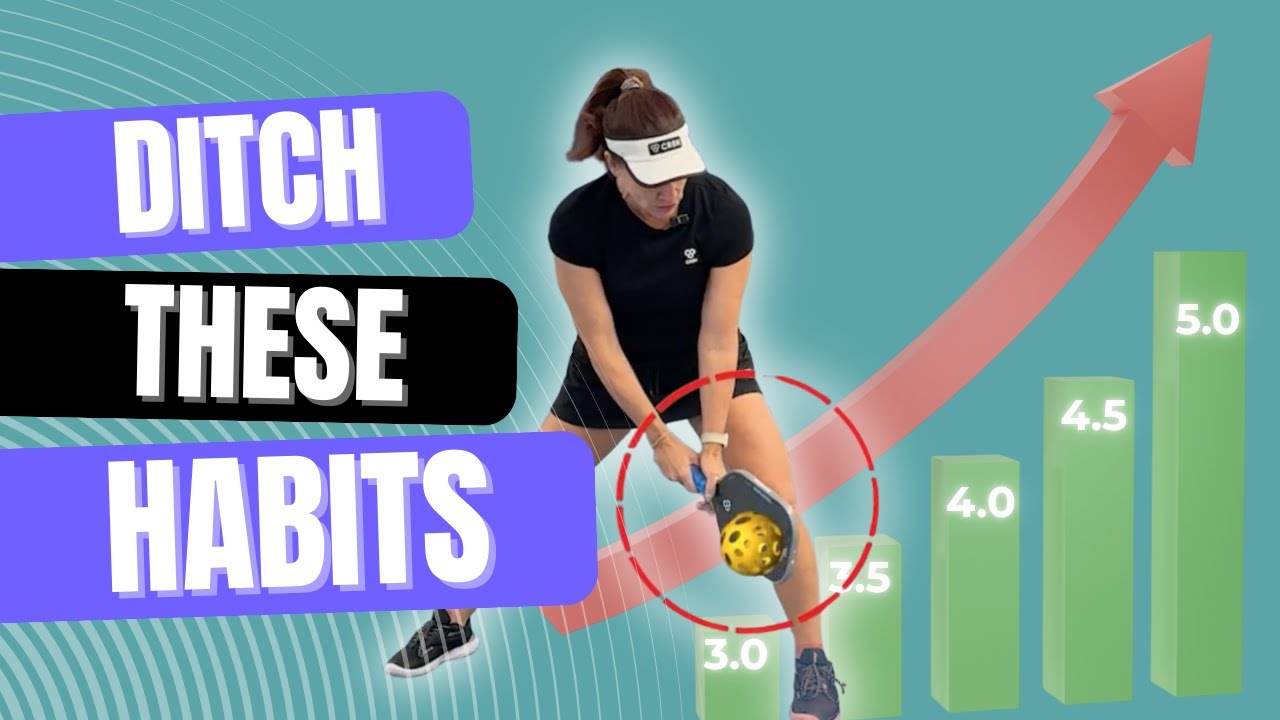
Get your paddle out to the side, keep your elbow in front of your body, and move the paddle forward toward your target. Depending on where you are on the court, "down" is actually forward and down. You're aiming for your opponent's feet, not the net.
This shift in thinking alone will eliminate a ton of unforced errors.
The Real Takeaway: Clean Up These Pickleball Habits
Coach Jess's advice boils down to one thing: pickleball is a game of geometry, positioning, and decision-making, not just athleticism.
As noted by Sports Illustrated, the most common intermediate pickleball mistakes come from the same recurring patterns, and most players never realize they're doing them until someone breaks it down. Smart shot decisions beat power in advanced play, and that's exactly the case Coach Jess makes throughout this breakdown.
You don't need to fix all six pickleball habits at once. Pick one this week, work on it during your rec games, and let it become automatic.
Rome wasn't built in a day, and neither is a 5.0 game. But clean up even one of these habits, and you'll feel the difference immediately.
Frequently Asked Questions
What are the most common pickleball habits that cost intermediate players points?
The most common pickleball habits that hurt 3.0–4.0+ players include creeping forward before the serve return lands, attacking crosscourt instead of straight, and backpedaling at the kitchen line. These patterns repeat because they feel instinctive in the moment but consistently put you in worse positions throughout the point.
How do I break bad pickleball habits without drilling for hours?
The most effective approach is to pick one pickleball habit per week and focus on it exclusively during your rec games. You don't need a dedicated drill session to see improvement; conscious, deliberate awareness during live play is often enough to start building better patterns.
Why do intermediate pickleball players keep expecting clean putaways?
At the 3.5 to 4.0 level, players are hitting harder than before and assume that pace equals winners. As the game speeds up, the mental shift to expecting the ball to come back is one of the hardest adjustments an intermediate pickleball player has to make, but it's one of the most valuable.
Is attacking crosscourt always a bad idea in pickleball?
Crosscourt attacks aren't always wrong, but they're frequently misused by players who don't account for their partner's positioning. The opponent diagonal from you has the most time to react, and your partner often gets exposed, which is why attacks toward the hip or straight ahead are generally safer and more effective.
How do I stop hitting high balls into the net or long?
The key is to move the paddle forward rather than swinging downward. Get your paddle out to the side, keep your elbow in front of your body, and aim for your opponent's feet, not the net. That one mechanical correction will cut a significant number of unforced errors from your rec game.

Love Pickleball? Join 100k+ readers for free weekly tips, news & gear deals.
Subscribe to The DinkGet 15% off pickleball gear at Midwest Racquet Sports