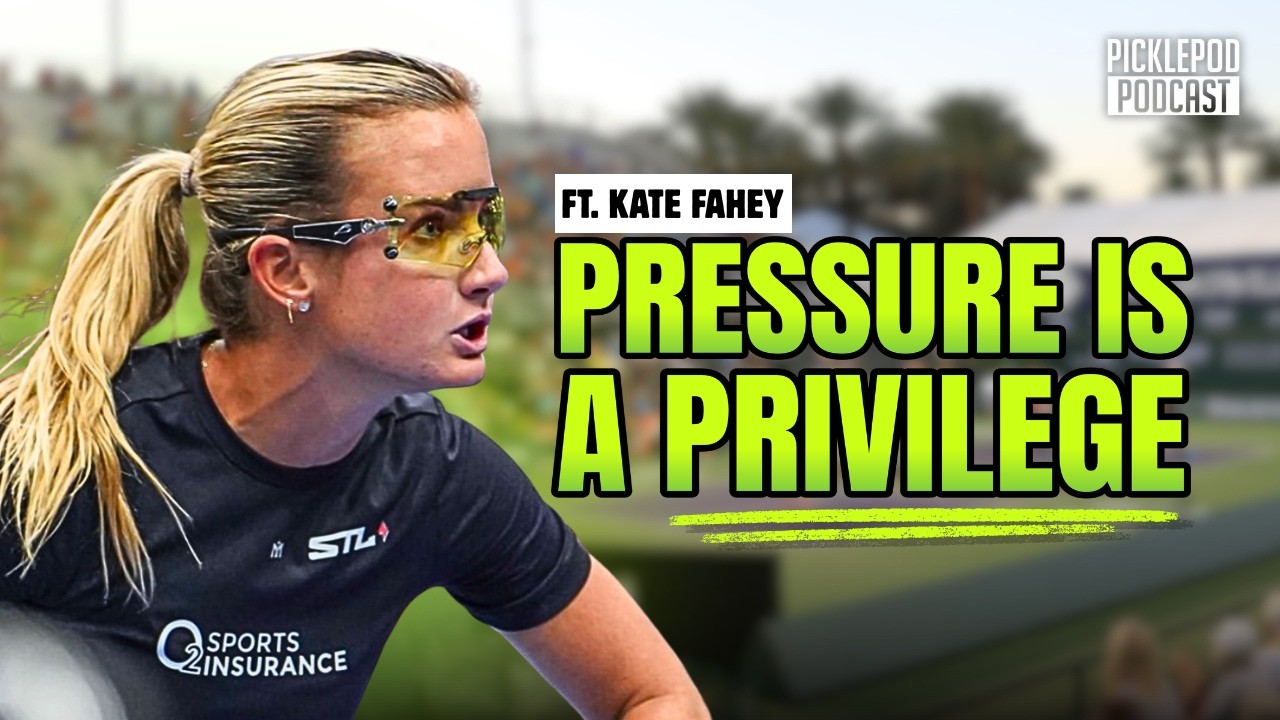
PPA Tour pro Zane Navratil discusses a pattern of questionable line calls at a recent event — and what the league should do about it.
The pickleball world has a problem, and it's not getting better by ignoring it.
Bad pickleball line calls have always existed in sports. Tennis has them. Volleyball has them. But there's a critical difference between making honest mistakes and developing a reputation for consistently calling balls out when they're actually in, always in your own favor, always at crucial moments in matches.
It begs the question: At what point does a pattern of questionable pickleball line calls cross over into cheating territory?
This is the conversation Zane Navratil and Nico brought to the forefront on The Dink's PicklePod after the PPA Atlanta event, and it's one the sport needs to have out loud.
The Pickleball Line Calls Nobody Can Ignore
Here's the uncomfortable truth: when a player makes bad calls repeatedly, only in their own favor, across multiple tournaments and match situations, they're not making mistakes anymore. They're cheating.
And the pickleball community has started noticing specific names attached to this pattern.
The question Zane posed cuts right to the heart of it: "At what point do you become a hook?"
When Pickleball Line Calling Rules Get Ignored on Purpose
Pickleball line calling rules give every player the right to make calls on their side of the net. What they don't give anyone is the right to systematically benefit from those calls, across tournament after tournament, only ever in their own favor.
The Difference Between Mistakes and Patterns
Here's the uncomfortable truth: when a player makes pickleball line calls repeatedly, only in their own favor, across multiple tournaments and match situations, they're not making mistakes anymore. They're cheating.
In aggregate, your mistakes hurt you as much as they help you.
- But when every questionable call goes in your favor?
- When it happens in tight matches?
- When it happens tournament after tournament?
That's not human error. That's a choice.
Zane pointed to a few current pros as examples of people who genuinely make mistakes. They call balls out that are clearly in, but they also play balls that are solid inches out.
You can see the inconsistency that comes with honest error. With some other players, you only see the one-directional bias.
 Erik Tice
What Needs to Happen Now
The PPA's new cheating policy—the one that fines players for bad calls—is a step in the right direction. So is the new video review system being utilized at PPA Finals (though it's relegated to a select number of courts, at least for now).
Zane mentioned that he's spoken to many current pros, and the vast majority support it. The approval rating is probably around 90%, he estimated.
The people who hate it? The ones consistently making bad calls.
Alex E. Weaver
The Pickleball Officiating Fixes the Tour Actually Needs
The infrastructure exists. The will from most players clearly exists. What's missing is a pickleball officiating structure with enough transparency to actually change behavior.
But here's the problem: the fines aren't public. Players don't know if someone got hit with a $250 fine or $750. Without real transparency in pickleball officiating, the deterrent effect weakens before it even has a chance to land.
"We need to publish the fines," Zane said bluntly.
"Because to me, I think that the shame is more valuable than the $250."
Beyond that, there needs to be escalation. A multiplier effect. Increased accountability.
Because bad pickleball line calls aren't nearly as easy to keep making when the system starts naming names. The shame, as Zane put it, is worth more than the fine.
Frequently Asked Questions
What are pickleball line calls and who makes them?
Pickleball line calls are judgments made by players, or referees in officiated matches, to determine whether a ball lands in or out of bounds. In recreational and most amateur play, players are responsible for calling their own side of the court.
When does a bad pickleball line call become cheating?
A single missed call is a mistake, but a consistent pattern of calls that always favor one player is widely considered intentional. If every disputed call goes in your favor across multiple matches and tournaments, that's no longer human error.
What are the current PPA rules on pickleball cheating calls?
The PPA Tour introduced a cheating policy that includes in-match penalties, post-match video review, and a running tally of offenses that can escalate to fines and suspensions. However, the specifics of individual fines are not currently made public.
Why do pickleball refs struggle to enforce line calling rules?
Referees have limited sightlines and can only override player calls under specific conditions, which makes it difficult to catch deliberate bad calls in real time. The new video review system is a step forward, though it's currently limited to select courts at PPA Finals events.
What would actually fix pickleball's line call problem?
Publishing fines publicly and implementing a multiplier system for repeat offenders would create both financial and reputational stakes for bad actors. As Zane Navratil argued, the social accountability of having your name attached to a fine is more powerful than the dollar amount.
Love Pickleball? Join 100k+ readers for free weekly tips, news & gear deals.
Subscribe to The Dink